PP homopolymer

AdvyForm P1112

""

Natural

PP homopolymer

AdvyForm P1112

Products

/

AdvyForm

/

AdvyForm P1112

— PP homopolymer

AdvyForm P1112

Produced by

→

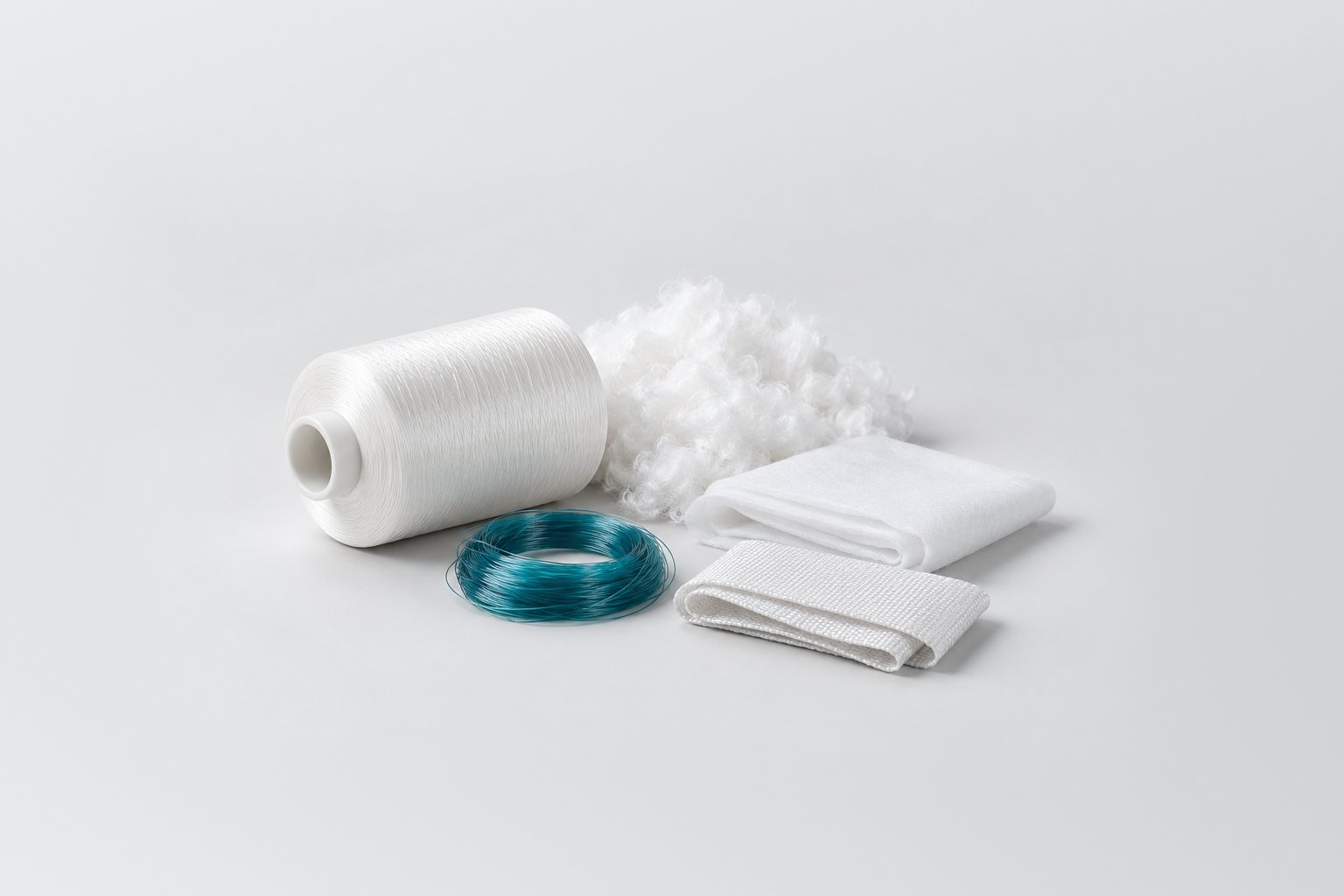
AdvyForm P1112 is a polypropylene homopolymer for extrusion into fine denier staple fibres. It is formulated with an anti-gas-fading stabilisation package, and nonwovens are its typical application.

APPLICATIONS

— AT A GLANCE

AdvyForm P1112 at a glance

Polymer family

PP homopolymer

Producer

Features

Food Contact

Processing

Fibre and nonwoven

— ABOUT THIS GRADE

AdvyForm P1112 is a polypropylene homopolymer suitable for extrusion applications. It is formulated with an anti-gas-fading stabilisation package and is used to produce fine denier staple fibres, with nonwovens as the typical application. The TDS also lists filament yarn as an application and continuous filament spinning and staple fibre among its attributes. Typical values include a melt flow rate of 11.5 g/10 min (230 °C/2.16 kg) and a tensile modulus of 1400 N/mm² (ISO 527-1, -2).

— TECHNICAL PROPERTIES

Technical properties

Melt Flow Rate

11.5 g/10 min

230 °C/2.16 kg

·

ISO 1133-1

Density

0.9 g/cm³

23 °C

·

ISO 1183-1

Tensile Modulus

1400 N/mm²

ISO 527-1, -2

Tensile Stress at Break

23 N/mm²

23 °C, 50 mm/min

·

ISO 527-1, -2

Tensile Stress at Yield

34 N/mm²

23 °C, 50 mm/min

·

ISO 527-1, -2

Tensile Strain at Break

700 %

23 °C, 50 mm/min

·

ISO 527-1, -2

Tensile Strain at Yield

11 %

23 °C, 50 mm/min

·

ISO 527-1, -2

Vicat Softening Temperature

154 °C

A50

·

ISO 306

Heat Deflection Temperature B

85 °C

0.45 MPa, unannealed

·

ISO 75B-1, -2

Typical values taken from the producer’s (Velogy) technical data sheet, available under Supplier documents. They are not specification limits. Genesis Polymers relies on the producer’s data and cannot accept liability for errors in it. Always check the current data sheet and confirm suitability for your application.

Processing

The TDS describes the grade as suitable for extrusion, including continuous filament spinning and staple fibre production. Determine processing conditions for the intended application and required properties.

Fibre and nonwoven

Typical applications

Fine denier staple fibres; nonwovens; filament yarn

Compliance and documentation notes

Consult the Product Regulatory Summary and Safety Data Sheet (SDS) for regulatory status, including supported, restricted or prohibited applications. Contact Genesis Polymers to request application-specific documentation for AdvyForm P1112.

— TECHNICAL PROPERTIES

Technical properties

PROPERTY

VALUE

CONDITIONS

METHOD

Melt Flow Rate

11.5 g/10 min

230 °C/2.16 kg

ISO 1133-1

Density

0.9 g/cm³

23 °C

ISO 1183-1

Tensile Modulus

1400 N/mm²

ISO 527-1, -2

Tensile Stress at Break

23 N/mm²

23 °C, 50 mm/min

ISO 527-1, -2

Tensile Stress at Yield

34 N/mm²

23 °C, 50 mm/min

ISO 527-1, -2

Tensile Strain at Break

700 %

23 °C, 50 mm/min

ISO 527-1, -2

Tensile Strain at Yield

11 %

23 °C, 50 mm/min

ISO 527-1, -2

Vicat Softening Temperature

154 °C

A50

ISO 306

Heat Deflection Temperature B

85 °C

0.45 MPa, unannealed

ISO 75B-1, -2

Typical values taken from the producer’s (Velogy) technical data sheet, available under Supplier documents. They are not specification limits. Genesis Polymers relies on the producer’s data and cannot accept liability for errors in it. Always check the current data sheet and confirm suitability for your application.

— APPLICATIONS

Applications for this grade

— BRAND AND PRODUCER

Brand and producer

Brand

Advy

Form®

For demanding applications where material performance makes the difference: PP, HDPE and LDPE for packaging, automotive, compounding, pipe and film.

PP

LDPE

HDPE

Advy

Form®

For demanding applications where material performance makes the difference: PP, HDPE and LDPE for packaging, automotive, compounding, pipe and film.

PP

LDPE

HDPE

— NEED HELP CHOOSING?

Not sure which grade fits?

Tell us your part, process and the grade you use today, and we’ll help you confirm the right grade.