— APPLICATION
Polypropylene for spunbond, meltblown and carded nonwovens
Meltblown polypropylene, spunbond filament and carded staple fibre all depend on how the polymer flows through the die. Fibre diameter, web uniformity and line speed trace back to that flow. That is why melt flow rate, more than any other figure, sorts nonwoven grades into their routes. Polypropylene is the main polymer for all three.

— REQUIREMENTS
What the web has to do
A hygiene topsheet needs softness and even coverage at low basis weight. A wipe has to hold liquid and stay intact when pulled from the pack. A filtration layer depends on very fine fibres packed into a web with a controlled pore structure. A spunbond layer also has to bond cleanly in the calender. On the line, the converter wants few filament breaks, stable spinning across the beam, and fibres that do not yellow in a warehouse.
— SELECTION
Meltblown vs spunbond polypropylene grades
Meltblown needs a very high melt flow so that hot air can draw the fibres extremely fine. Meltblown grades flow at hundreds of g/10 min or more (230 °C/2.16 kg); spunbond and staple-fibre grades sit in the tens or below. A narrow molecular-weight distribution keeps fibre diameter even.
Spunbond and continuous-filament lines run at much lower flow, again with a narrow molecular-weight distribution for stable spinning. Many continuous-filament grades are made for both high-tenacity yarn and spunbond, so check that the data sheet names spunbond for your line.
Carded nonwovens start from staple fibre. High-tenacity staple grades give a stronger web; random copolymer filaments give a softer hand. Fibre for yarn and carpet is covered on fibres and filament yarn.
For white webs, look for an anti-gas-fading stabiliser package. It limits yellowing of the fibre in storage.
— GRADES
Grades we can supply
Sort by melt flow first: meltblown grades sit far above spunbond and staple-fibre grades. Each short description names the route.
PP homopolymer
KeyForm
·
Velogy
PP
KeyForm P0711
PP homopolymer
KeyForm P0711 is a polypropylene homopolymer for extrusion of high-tenacity staple fibres. It contains an anti-gas-fading stabilisation package.
Fibre and nonwoven
Industries
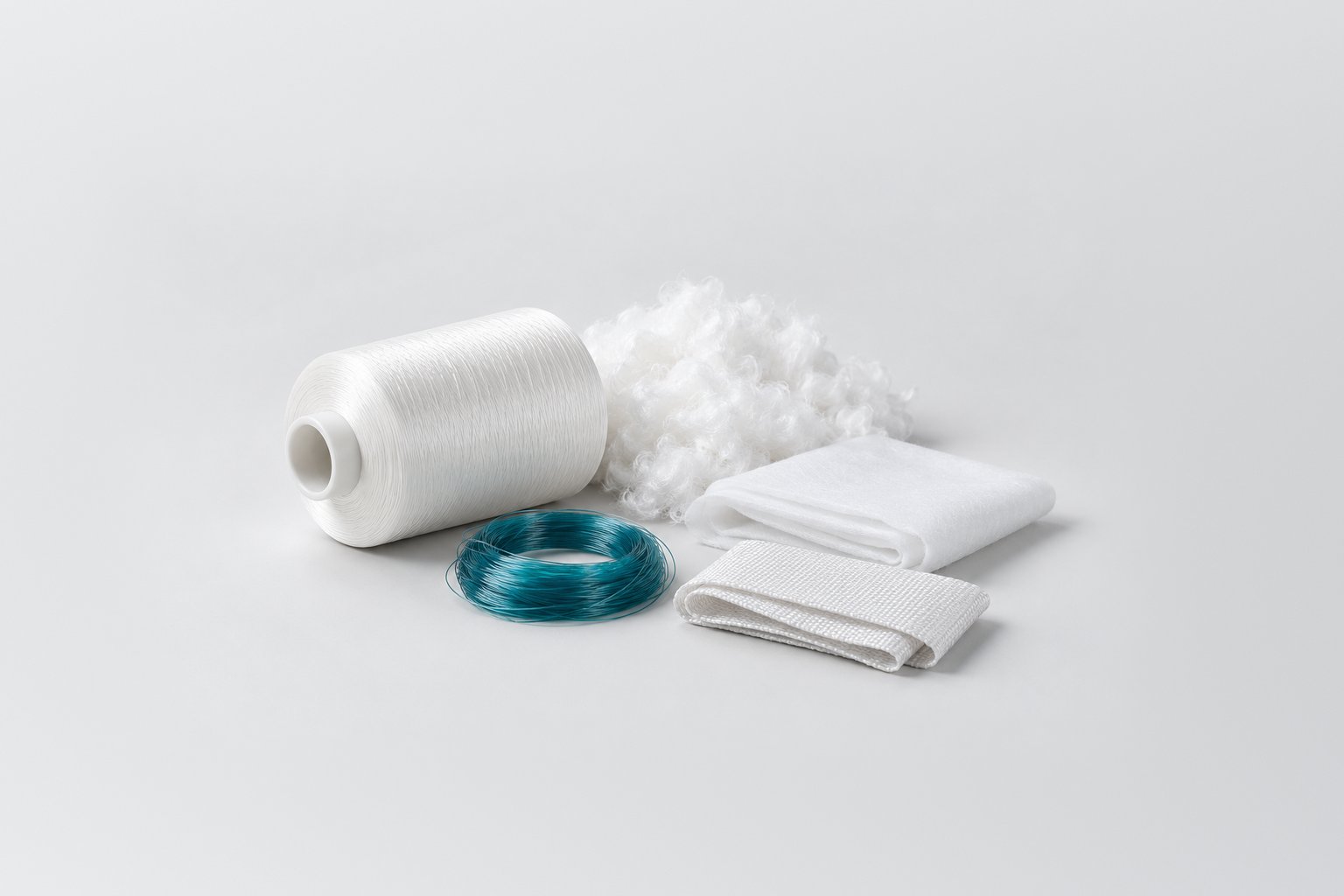
Fibres & nonwovens
KeyForm
·
Velogy
PP
KeyForm P0810
PP homopolymer
KeyForm P0810 is a polypropylene homopolymer for extrusion of high-tenacity staple fibres. It contains an anti-gas-fading stabilisation package.
Fibre and nonwoven
Industries
Fibres & nonwovens
KeyForm
·
Velogy
PP
KeyForm P0910
PP homopolymer
KeyForm P0910 is a polypropylene homopolymer for extrusion of staple fibres. It contains an anti-gas-fading stabilisation package.
Fibre and nonwoven
Industries
Fibres & nonwovens
— NEED HELP CHOOSING?
Not sure which grade fits?
Tell us your line type (meltblown, spunbond or carded), basis weight and current grade.
— PROCESSING
Line conditions
Throughput, die design and quench air decide which end of a grade's range you can use. Tell us your line type, target basis weight and fibre or filament count, and we will match grades by flow first, then by stabilisation. The polypropylene overview explains how homopolymers and random copolymers differ.
Fibre and nonwoven
Compounding
— DOCUMENTATION
Documentation for hygiene and filtration
Sanitary towels, tampons and wet wipes that contain plastic must carry the EU single-use plastics marking on their packaging (Directive (EU) 2019/904, Article 7; the label design is set by Implementing Regulation (EU) 2020/2151). Medical face masks are tested as finished products under EN 14683, respirators under EN 149. For food-contact or skin-contact uses, ask for the producer's statement for the exact grade; it is grade- and use-specific.
— PRODUCERS
Producers for this application

Brands for this application
— FAQ
Common questions
What melt flow rate do I need for meltblown?
Can the same grade run spunbond and staple fibre?
Are these grades suitable for medical nonwovens?
— RELATED


