— APPLICATION
Polypropylene for furniture and garden furniture
Polypropylene for garden furniture has to carry a person's weight for years, through summer sun and winter frost. A moulded chair that creeps ends up with a dipped seat. One without UV protection turns chalky, then brittle. This page covers polypropylene for moulded chairs, tables and indoor furniture parts, and polypropylene fibre for the fabric side of furniture. It explains how to trade stiffness against impact, and what an outdoor part needs on top.

— REQUIREMENTS
What a chair has to hold
A moulded chair is one large part carrying a concentrated load. People sit down hard, tip back on two legs and leave chairs stacked all winter. The legs must not splay and the seat must not take a permanent set. That slow sagging under a constant load is creep, and it is the failure that shows first in thin, stiff designs. Outdoors, UV light and heat attack the surface, so unprotected polypropylene loses gloss and becomes brittle. Stacking chairs also need consistent mouldings, or the stack leans. Indoor parts such as shell seats and drawer runners need less UV protection and a better surface.
— SELECTION
PP for plastic chairs and tables: stiffness or impact
Homopolymer and high-crystallinity PP give the stiffness and creep resistance for seats, backs and table tops. They are less tough in frost.
Impact copolymer stops a chair cracking when it is knocked over on a cold terrace, but it is more flexible under load.
High-stiffness impact copolymers sit between the two.
Glass-fibre and mineral-filled compounds go further on stiffness for slim legs and frames.
Outdoor parts need UV stabilisation. If the data sheet lists no UV stabiliser, add one through masterbatch together with the colour, at the dose the masterbatch supplier recommends for the exposure. Dark colours run hotter in the sun, and a warmer seat creeps faster under load. Medium flow helps fill a whole chair from one gate without short shots.
The polypropylene overview compares homopolymer and copolymer in more detail.
— GRADES
Grades we can supply
Each short description says whether a grade is for moulding or for fibre.
PP high crystallinity
AdvyForm
·
Velogy
PP
AdvyForm P1330
PP high crystallinity
AdvyForm P1330 is a nucleated homopolymer with very high crystallinity, high rigidity and high gloss. It is used for stiff injection-moulded articles.
Injection moulding
Industries

Consumer goods

Rigid packaging
AdvyForm
·
Velogy
PP
AdvyForm E1241
PP high crystallinity
AdvyForm E1241 is a high-crystallinity impact copolymer for injection moulding. It combines processability with stiffness, impact strength and gloss.
Injection moulding
Industries
Consumer goods
Rigid packaging
PP homopolymer
KeyForm
·
Velogy
PP
KeyForm P1340
PP homopolymer
KeyForm P1340 is a nucleated homopolymer with an antistatic additive, for injection moulding. It combines good stiffness with good flowability.
Injection moulding
Industries
Consumer goods
Rigid packaging
KeyForm
·
Velogy
PP
KeyForm P1300
PP homopolymer
KeyForm P1300 is a polypropylene homopolymer for injection moulding, combining high fluidity with good stiffness.
Injection moulding
Compounding
Industries
Consumer goods
KeyForm
·
Velogy
PP
KeyForm P0711
PP homopolymer
KeyForm P0711 is a polypropylene homopolymer for extrusion of high-tenacity staple fibres. It contains an anti-gas-fading stabilisation package.
Fibre and nonwoven
Industries
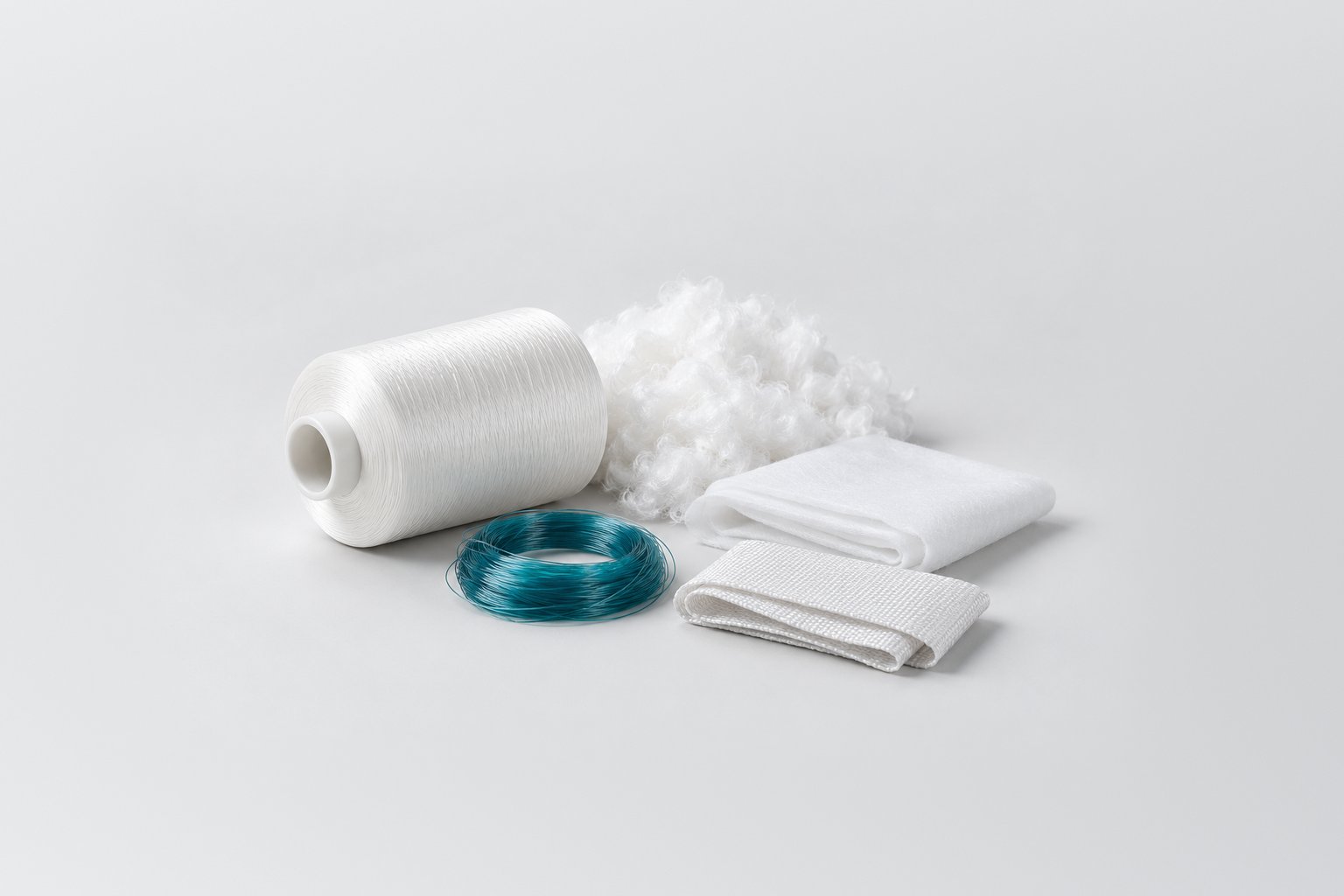
Fibres & nonwovens
PP impact copolymer
KeyForm
·
Velogy
PP
KeyForm E1340
PP impact copolymer
KeyForm E1340 is a nucleated heterophasic copolymer with an antistatic agent, for injection moulding. It combines a good stiffness and impact balance with medium fluidity.
Injection moulding
Industries
Consumer goods
Rigid packaging
KeyForm
·
Velogy
PP
KeyForm E1240
PP impact copolymer
KeyForm E1240 is a nucleated heterophasic copolymer containing an antistatic agent, for injection moulding. It combines high stiffness with medium fluidity.
Injection moulding
Industries
Consumer goods
Rigid packaging
KeyForm
·
Velogy
PP
KeyForm E1242
PP impact copolymer
KeyForm E1242 is a fast-crystallising heterophasic copolymer containing an antistatic agent, for injection moulding. It combines high stiffness with medium fluidity.
Injection moulding
Industries
Consumer goods
Rigid packaging
— NEED HELP CHOOSING?
Not sure which grade fits?
Send us the part, its weight, whether it lives outdoors and the colour masterbatch you use.
— PROCESSING
Moulding a chair in one shot
A chair is a long flow path with thick and thin sections. Gas-assisted injection moulding hollows out thick legs and armrests, which saves material and reduces sink marks. Place gates so that weld lines stay out of loaded areas such as the junction of seat and leg. Cool evenly: uneven shrinkage gives a chair that rocks. Fibre for fabrics is spun on its own lines; see fibres and filament yarn.
Injection moulding
Fibre and nonwoven
— DOCUMENTATION
Testing the finished furniture
Outdoor seating and tables for camping, domestic and contract use are tested as finished products under the EN 581 series: general safety in part 1, mechanical safety of seating in part 2 and of tables in part 3. The results belong to the furniture design, so a change of grade or colour masterbatch can mean a new test. For the resin, we pass on the producer's regulatory summary and safety data sheet.
— PRODUCERS
Producers for this application

Brands for this application
— FAQ
Common questions
Do I need UV-stabilised PP for garden furniture?
Which PP grades suit upholstery fibre?
— RELATED


