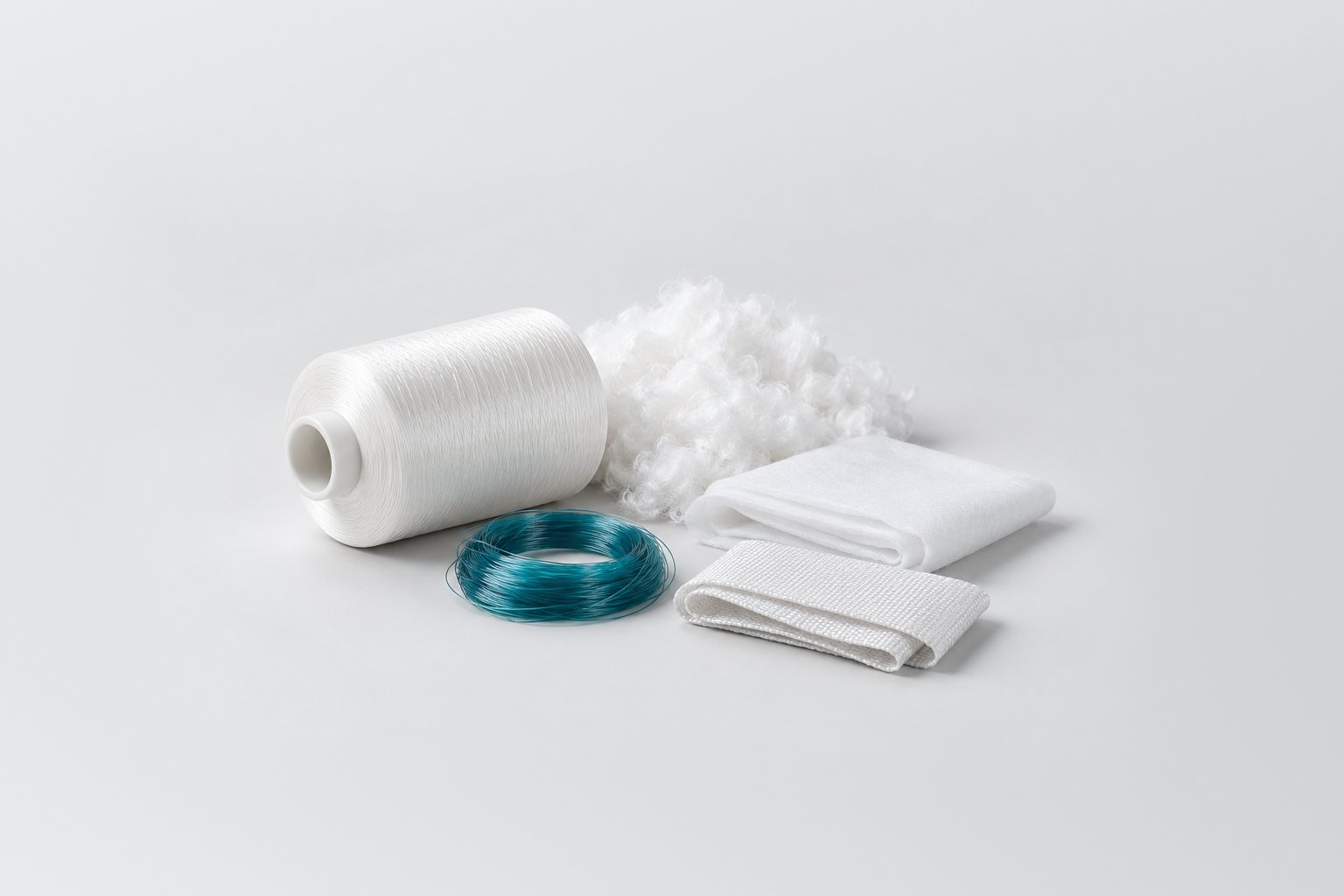
— INDUSTRY
Flexible packaging
Flexible packaging film is made from LDPE, polypropylene and HDPE: food laminates and pouches, shrink and stretch hood film, heavy-duty sacks, protective film and BOPP. The line it runs on and the job the film does decide the grade.
APPLICATIONS


— APPLICATIONS
Flexible packaging applications
Start from the part you make. Each page explains what the part asks of the polymer and lists the grades that fit.


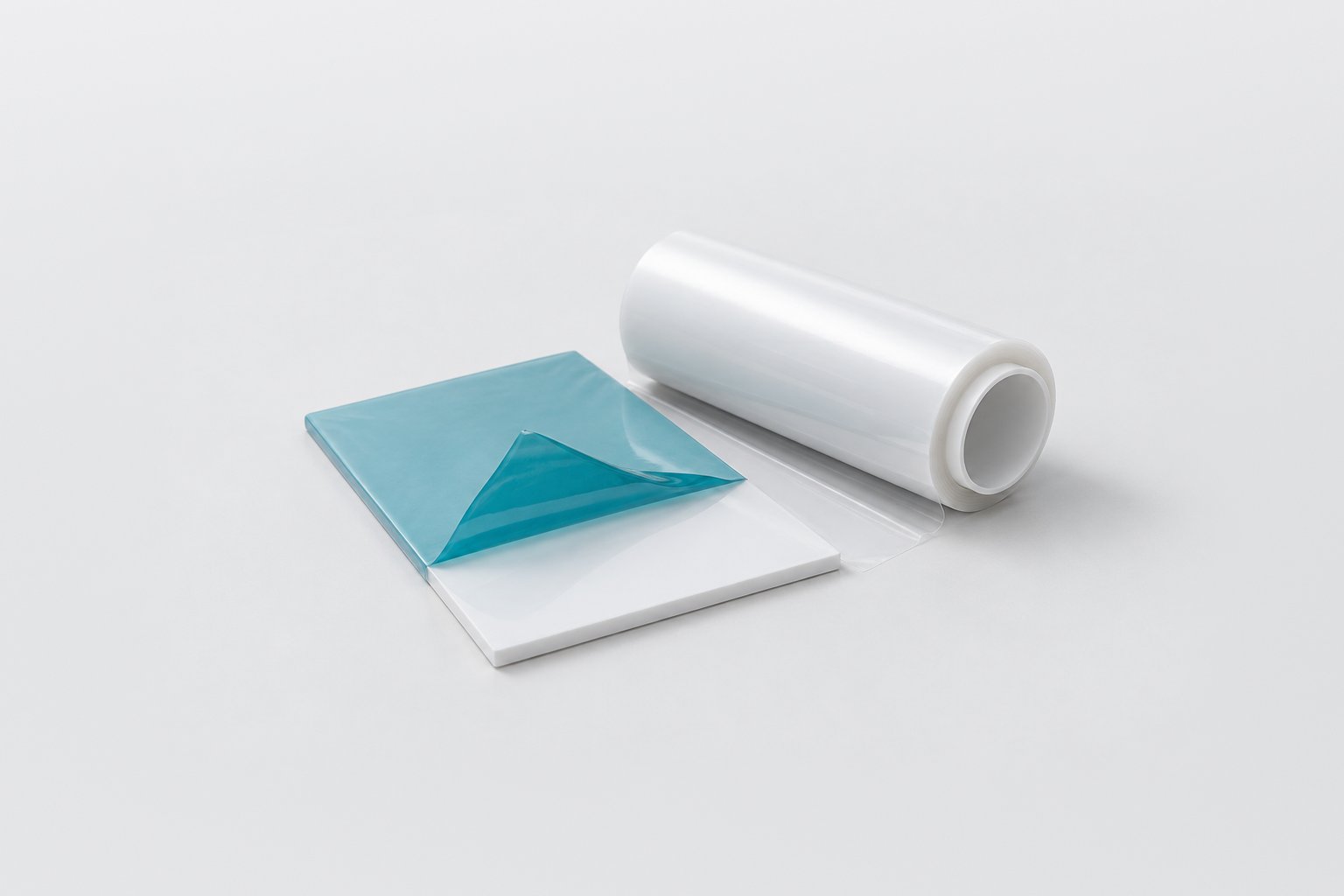

A bubble that will not hold stops the line. A seal that forms too slowly leaks, and a sack that creeps drops the pallet. The grade has to answer the failure that matters in your pack.
The polymer and the line come as a pair. LDPE is the classic polymer for blown film extrusion. Low-flow LDPE gives the shrink and toughness that polyolefin shrink film and sacks need, and it is one component of stretch hood film. Higher-flow LDPE makes clearer polyethylene film that seals well in food laminates. HDPE comes in where thin film has to be stiff.
Polypropylene film is mostly cast or oriented. Random copolymers make clear sealant layers that seal at lower temperatures; how to pick a sealant for a laminate is set out on cast film and food lamination film. Homopolymers give stiff, glossy film and are the base of BOPP film, plain or coextruded for metallisation.
Mono-material structures shift the balance. Laminates built only from polyethylene or only from polypropylene, in place of PET or foil, put the stiffness and heat resistance on the polyolefin layers. Ask us which grades suit your structure.
Additives are the last lever. For laminated and protective film, start without slip. Technical and protective film, including breathable and release film, is judged first on gel level.
— AT A GLANCE
Usual polymer route per application
— GRADES
Grades we can supply
Grouped by polymer family. Open an application above for the shortlist that fits one part.
PP homopolymer
PP random copolymer
LDPE
— PRODUCERS
Producers for this industry

Brands for this industry
— NEED HELP CHOOSING?
Not sure which grade fits?
Send us your line type, film thickness and structure, and the problem the film has to solve.
Food-contact compliance is declared at each stage before retail under Regulation (EU) No 10/2011: by the producer for the grade, by the converter for the film. Laminates follow extra rules, including laminates with foil or paper; cast film and food lamination film sets them out. Under the Packaging and Packaging Waste Regulation (EU) 2025/40 (PPWR), plastic packaging must contain post-consumer recycled content from 2030 at the earliest: 10% for contact-sensitive packaging such as food film, 35% for most other plastic packaging, including shrink hoods and sacks. Technical film that is not packaging relies on the safety data sheet and the producer's regulatory summary.
— FAQ
Common questions
The melt is extruded through a ring die, blown into a bubble, cooled by air and flattened into a tube. LDPE suits it because its long-chain branching gives the melt strength that keeps the bubble stable. The blow-up ratio balances toughness and shrink in both directions.
Match the data sheet value to the failure you want to avoid: toughness and shrink for sacks and hoods, haze, gloss and seal behaviour for food film, gel level for protective film. Melt flow then narrows it: lower flow gives tougher film, higher flow clearer film that runs more easily. Tell us the line, the thickness and the problem to solve.
Often, with trade-offs that depend on the pack and how it is filled. Recyclability depends on the full design and the PPWR criteria, not on the resin alone, and the design-for-recycling rules start in 2030 at the earliest. Our food lamination film page shows which layer takes over which job.